Stamped concrete: what it is, advantages, moulds, colours and application
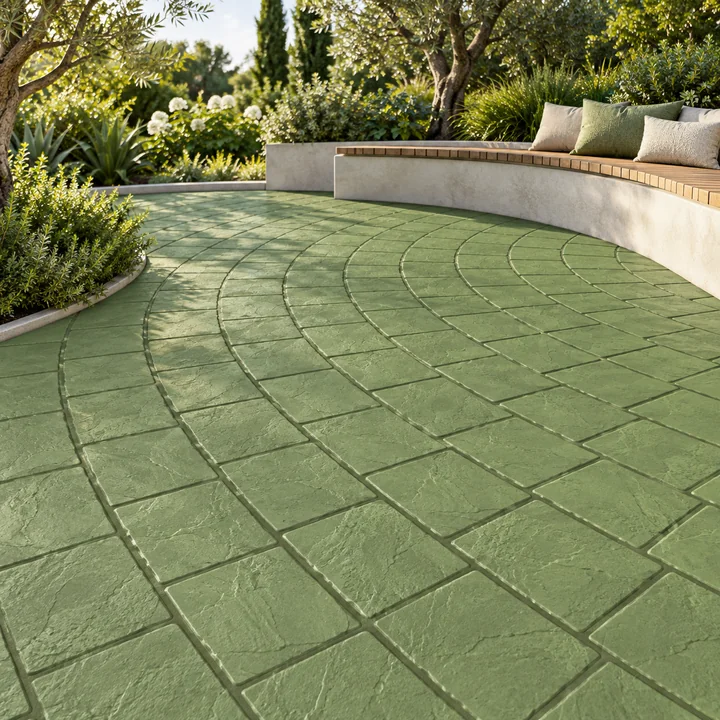
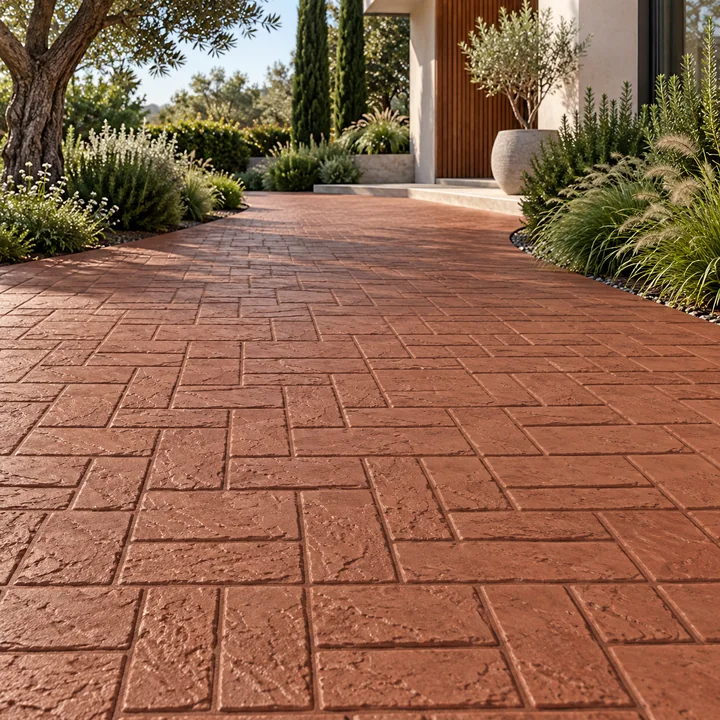
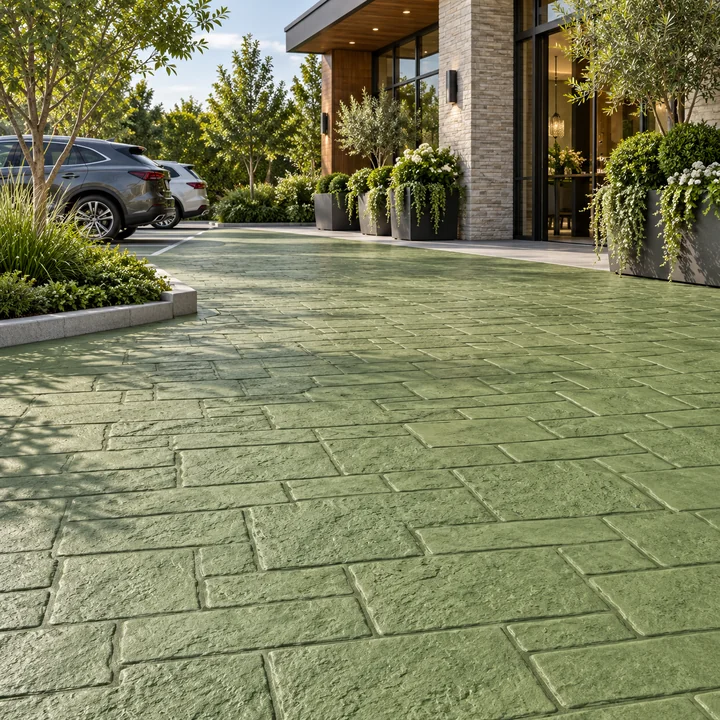
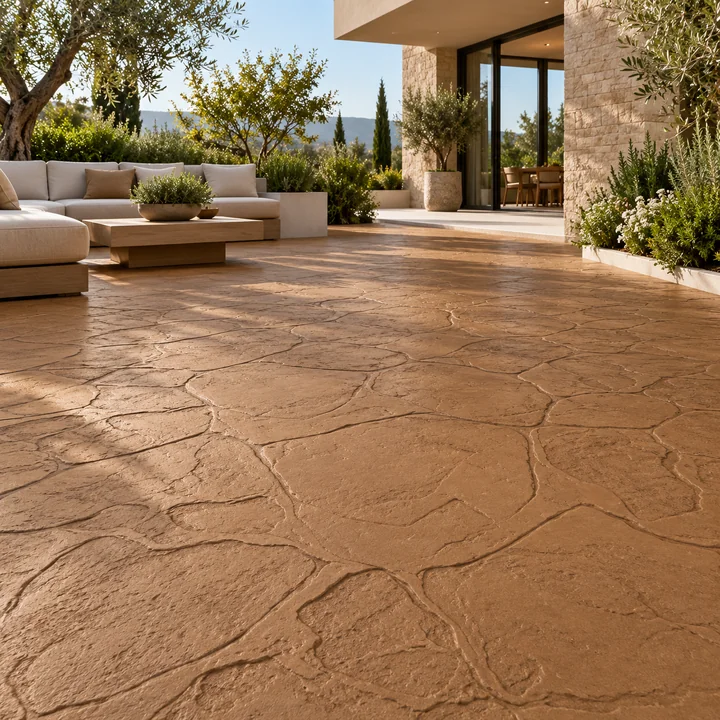
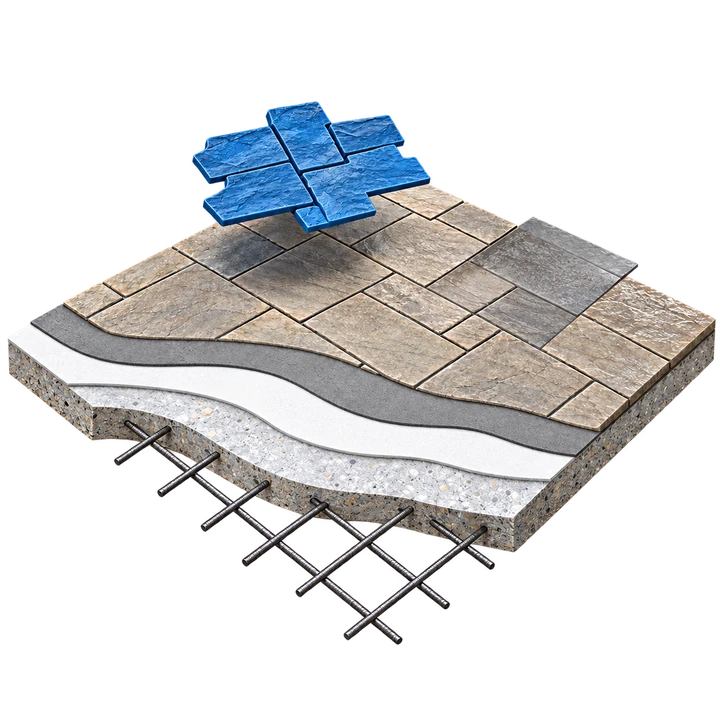
Stamped concrete is a method of producing decorative concrete by using stamping moulds to impress patterns on fresh concrete to simulate various materials. There are infinite patterns, textures and colours that can be stamped on to concrete.
Stamped concrete, or printed concrete as it is also called, is a continuous, low relief paving, with a decorative, pigmented surface, which simulates various kinds of paving. It can take the appearance of brickwork, slate, tiles, stone and even wood.
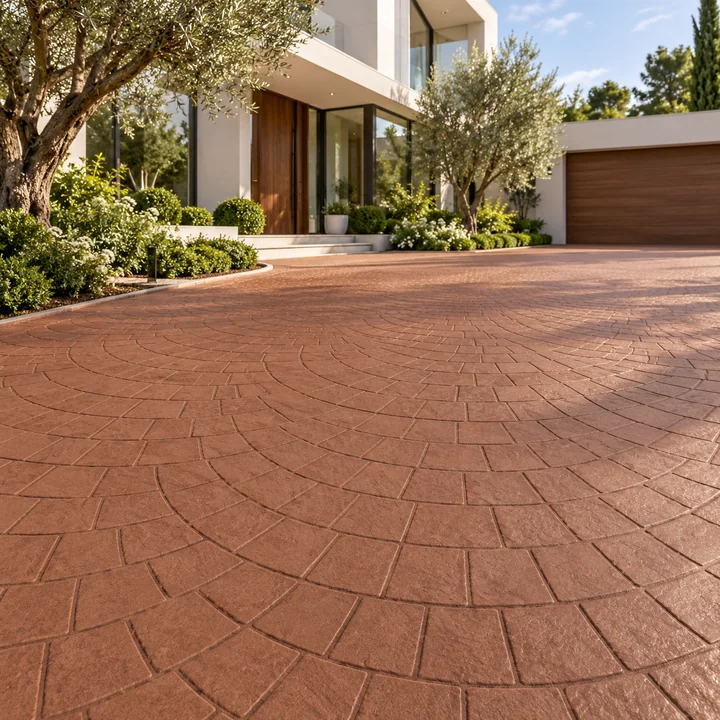
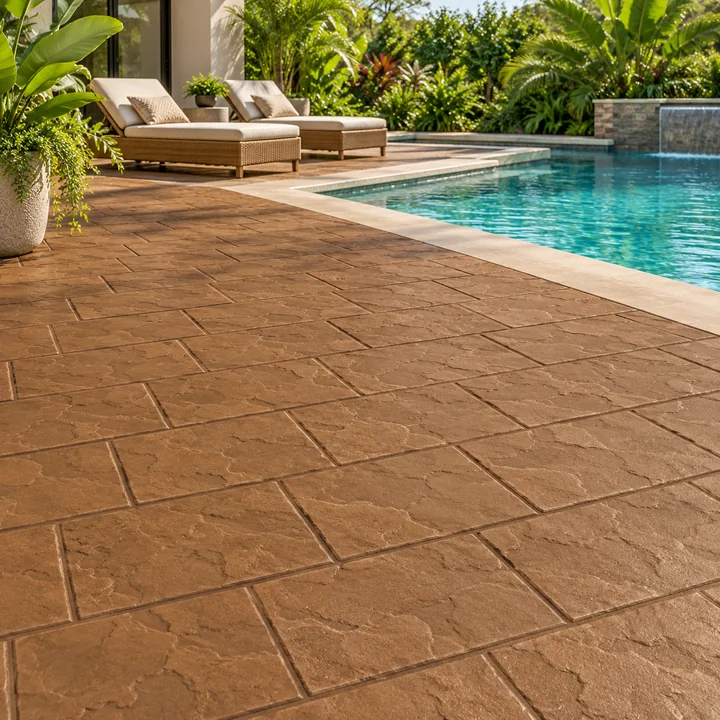
Primarily used in pavements, terraces and other external areas such as gardens, garages and shopping centre accesses, as well as around pools and other areas of a residential complex. For this reason it is known as stamped paving.
Other less important uses are on internal surfaces, for example in areas such as offices and industrial plants. The decorative nature of stamped concrete gives it broad application and great versatility. Similar moulds can be used to impress patterns on vertical surfaces. This is vertical stamped concrete.
Where can it be applied?
Stamped concrete can be applied to both indoor and outdoor surfaces. It can create decorative patterns and textures resembling natural stone, brick, slate and tile, and create a long lasting durable surface.
Driveways
Make a great first impression with a distinctive entrance to your home or villa.
Walkways and Pathways
Add decorative patterning to garden pathways and other pathways.
Patios and Courtyards
Transform your outdoor living space.
Pool Surrounds
Add a decorative finish around your pool that is also slip resistant.
Garden Areas
Improve your landscaping with textured concrete pathways.
Seating Areas
Add concrete seating to your landscaping.
Commercial Areas
Use decorative stamped concrete in hotels, restaurants, retail spaces, and outdoor plazas.
Parking Areas
Use stamped concrete to create decorative finishes in parking lots.
Terraces, Entrances and Stairs
Provide a textured finish on outdoor steps and terraces.
Moulds for stamped concrete
Create beautiful surfaces with the look of natural stone, classic paving or wood using stamped concrete moulds. By pressing these moulds onto fresh concrete, you can achieve a wide range of textures and patterns for floors and vertical surfaces.
With more than 150 stamped concrete moulds, IFTIKA offers designs to suit different styles and projects. The range includes fan, cobblestone, tile, road, brick, slab and stone patterns.
New moulds are regularly developed to bring more creative ideas and finishes to life. From irregular stone to traditional paving stones and realistic wood textures, IFTIKA makes it easy to achieve the look you want.
Explore the full range of moulds and bring your design ideas to life.
Stamped concrete can be applied to both indoor and outdoor surfaces. It can create decorative patterns and textures resembling natural stone, brick, slate and tile, and create a long lasting durable surface.
Abanico Austria
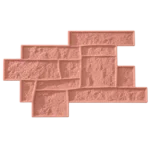
Adoquín Belga
Vertical Bolonia
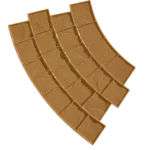
Circular Peñalisa
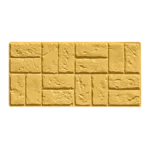
Ladrillo Cestería
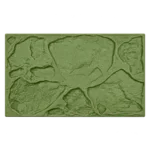
Piedra Galicia
The most popular imprinted pavements
Imprinted concrete comes in many patterns, so you can choose a style that suits your space. Moulds press a pattern into fresh concrete to create the look of tiles, stone, bricks or slate.
Tile Pattern
Tile patterns give concrete a clean, neat look. They suit patios, courtyards and paths, with different shapes and colours to match your home. The pattern creates the look of separate tiles across one concrete surface.
Stone Pattern
Stone patterns add a natural look to outdoor spaces. They work well for garden paths, driveways and seating areas. The mould creates stone shapes and surface detail, while different colours help you match the surrounding area.
Brick Pattern
Brick patterns bring a warm, classic feel to a space. They suit both modern and traditional homes and are a popular choice for paths, patios and driveways. Choose a simple brick layout or a more detailed pattern to add character.
Slate Pattern
Slate patterns give concrete the textured look of natural slate. They are a good choice for patios, courtyards and pool surrounds. Soft colours create a calm, simple finish, while darker shades give the space a bolder look.
Advantages of stamped concrete
Custom Finishes
Choose from a wide range of patterns, textures, and colours.
IFTIKA stamped concrete can create the look of stone, brick, tiles, or wood.
Handles Temperature Changes
Properly installed stamped concrete stands up to hot and cold weather.
A suitable concrete mix and well-placed joints help reduce cracking.
Water and Slip Resistance
A suitable sealer helps limit water absorption.
Textured patterns and a slip-resistant finish can improve grip around
pools, paths, and patios.
Long-Lasting Colour
Quality pigments help the surface keep its colour in sunlight.
Regular cleaning and resealing help maintain its appearance over time.
A Consistent Finish
Stamped concrete creates a coordinated finish across different shapes
and layouts. Proper ground preparation helps form an even, well-drained surface.
Less Weed Growth
Stamped concrete has fewer gaps than individual paving blocks.
This leaves less room for weeds to grow and makes outdoor areas easier to maintain.
Indoor and Outdoor Use
Use stamped concrete for patios, driveways, courtyards, and selected
indoor floors. Choose a pattern and finish that suit your space.
Built to Last
A well-installed stamped concrete surface can handle daily use for
many years. Routine care and timely resealing help protect the finish.
How to apply stamped concrete?
The application of stamped concrete depends on the type of surface and the finish you want to achieve. Follow these step-by-step instructions for applying stamped concrete paving:
1. Prepare the Ground
Clear and compact the base. Set the edges, plan drainage, and add reinforcement as required.
2. Pour the Concrete
Spread the fresh concrete evenly across the prepared area to the planned depth.
3. Level the Surface
Use a screed and float to level the concrete. Keep the planned slope for drainage.
4. Apply Colour Hardener
Once surface bleed water has gone, spread the colour hardener evenly at the recommended rate.
5. Smooth the Colour
Let the hardener absorb moisture, then work it into the surface with a float.
6. Apply Release Agent
Apply the release agent as directed to help prevent the stamping moulds from sticking.
7. Stamp the Pattern
When the concrete is ready, press the moulds into the surface and keep the pattern aligned.
8. Remove Excess Release
Once the concrete is hard enough, remove excess release agent using the recommended method.
9. Clean the Surface
Clean away residue and check the stamped details. Allow the surface to dry before sealing.
10. Apply the Sealer
Apply a compatible sealer at the recommended curing stage. Let it dry fully before use.